
As I delve into the rich tapestry of the Middle Eastern diet, I find myself captivated by its vibrant flavors, diverse ingredients, and deep-rooted cultural significance. The culinary traditions of this region are not merely about sustenance; they are a celebration of community, history, and the land itself. From the bustling markets filled with spices to the family gatherings centered around shared meals, the Middle Eastern diet embodies a lifestyle that prioritizes health and well-being.
It is a diet that has evolved over centuries, influenced by geography, climate, and the myriad cultures that have traversed this ancient land. The Middle Eastern diet is characterized by an abundance of fresh fruits and vegetables, whole grains, legumes, nuts, and healthy fats. Staples such as lentils, chickpeas, and various grains form the foundation of many dishes, while herbs and spices add depth and complexity to flavors.
This diet is not only delicious but also offers a plethora of nutritional benefits that contribute to overall health. As I explore the components of this diet, I am continually amazed by how these traditional foods can play a significant role in promoting wellness and preventing chronic diseases.
Key Takeaways
- Middle Eastern diet is rich in fruits, vegetables, whole grains, and lean proteins, and is known for its health benefits.
- Hummus is a nutritious and versatile food that is high in protein, fiber, and essential nutrients like iron and vitamin B6.
- Tahini, a key ingredient in Middle Eastern cuisine, is a good source of healthy fats, protein, and minerals like phosphorus and magnesium.
- Olive oil is a staple in the Middle Eastern diet and is known for its heart-healthy monounsaturated fats and anti-inflammatory properties.
- The Middle Eastern diet, with its emphasis on plant-based foods and healthy fats, has been linked to improved heart health and reduced risk of heart disease.
Nutritional Benefits of Hummus
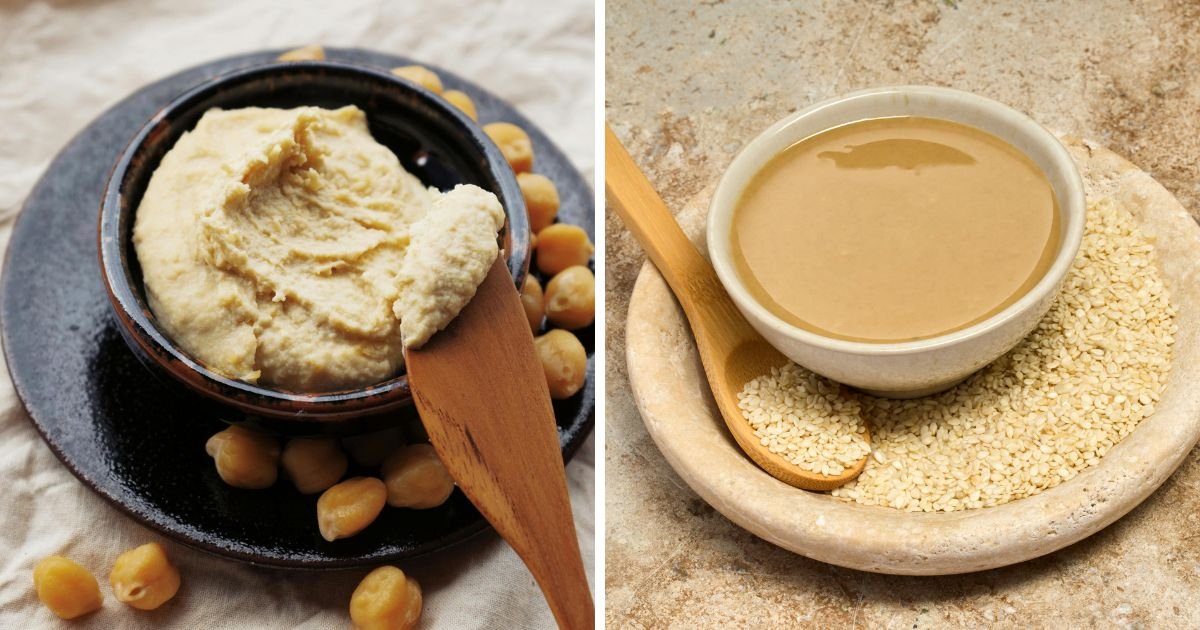
One of the standout components of the Middle Eastern diet is hummus, a creamy spread made primarily from chickpeas. As I savor its rich texture and nutty flavor, I can't help but appreciate its nutritional profile. Hummus is an excellent source of plant-based protein, making it a fantastic option for vegetarians and vegans alike.
Each serving provides essential amino acids that support muscle repair and growth. Additionally, the fiber content in hummus aids in digestion and helps maintain a healthy gut. Beyond protein and fiber, hummus is packed with vitamins and minerals.
Chickpeas are rich in folate, iron, and magnesium, all of which play crucial roles in various bodily functions. Folate is particularly important for cell division and DNA synthesis, while iron is vital for transporting oxygen in the blood. As I incorporate hummus into my meals, I find that it not only satisfies my taste buds but also nourishes my body in numerous ways.
Whether enjoyed as a dip with fresh vegetables or spread on whole-grain bread, hummus is a versatile food that enhances both flavor and nutrition.
Health Benefits of Tahini
 Another essential ingredient in the Middle Eastern diet is tahini, a paste made from ground sesame seeds. As I explore its unique flavor profile, I discover that tahini is not just a delicious addition to dishes like hummus; it also boasts an impressive array of health benefits. One of the most notable aspects of tahini is its high content of healthy fats, particularly monounsaturated fats.
These fats are known to support heart health by reducing bad cholesterol levels and promoting good cholesterol. In addition to healthy fats, tahini is a powerhouse of nutrients. It is rich in calcium, which is essential for maintaining strong bones and teeth.
As someone who values bone health, I appreciate that tahini can be an excellent source of this vital mineral, especially for those who may not consume dairy products. Furthermore, tahini contains antioxidants that help combat oxidative stress in the body, contributing to overall health and longevity. Incorporating tahini into my diet not only enhances the flavor of my meals but also provides a wealth of nutritional benefits that support my well-being.
Role of Olive Oil in Middle Eastern Diet
Olive oil holds a revered place in the Middle Eastern diet, often regarded as liquid gold due to its numerous health benefits and culinary versatility. As I drizzle this fragrant oil over salads or use it as a base for cooking, I am reminded of its rich history and cultural significance in the region. Olive oil is not only a staple ingredient but also a symbol of hospitality and generosity in Middle Eastern culture.
The health benefits of olive oil are well-documented, particularly its role in promoting heart health. Rich in monounsaturated fats and antioxidants, olive oil has been shown to reduce inflammation and lower the risk of cardiovascular diseases. As I incorporate olive oil into my daily meals, I feel reassured knowing that I am making a heart-healthy choice.
Additionally, olive oil is known for its anti-inflammatory properties, which can help alleviate symptoms associated with chronic conditions such as arthritis. By embracing olive oil as a fundamental part of my cooking, I am not only enhancing the flavors of my dishes but also investing in my long-term health.
Impact of Middle Eastern Diet on Heart Health
The Middle Eastern diet's emphasis on whole foods, healthy fats, and plant-based ingredients has profound implications for heart health. As I reflect on my own dietary choices influenced by this cuisine, I recognize how they align with heart-healthy principles. The abundance of fruits and vegetables provides essential vitamins and minerals that support cardiovascular function.
Moreover, the inclusion of legumes and whole grains contributes to lower cholesterol levels and improved blood pressure. Research has shown that populations adhering to a traditional Mediterranean-style diet—similar to the Middle Eastern diet—experience lower rates of heart disease compared to those consuming more processed foods. The combination of healthy fats from olive oil and nuts, along with fiber-rich foods like beans and whole grains, creates a protective effect on the heart.
As I embrace these dietary patterns in my own life, I feel empowered to take charge of my heart health while enjoying delicious meals that nourish both body and soul.
Middle Eastern Diet and Weight Management
 Nourishing Whole Foods
 Nourishing Whole Foods
In my journey toward maintaining a healthy weight, I have found that the Middle Eastern diet offers a balanced approach that emphasizes moderation and mindful eating. The focus on whole foods—such as fruits, vegetables, legumes, and whole grains—provides ample nutrients while keeping calorie intake in check.
Healthy Fats and Fiber for Satiety
The high fiber content in many Middle Eastern dishes helps me feel full longer, reducing the likelihood of overeating. Additionally, the use of healthy fats from sources like olive oil and nuts adds flavor without excessive calories.
A Sense of Community and Nourishment
As I savor dishes like tabbouleh or lentil soup, I appreciate how they are both satisfying and nourishing. The emphasis on portion control and sharing meals with others fosters a sense of community while promoting healthier eating habits.
By adopting elements of the Middle Eastern diet into my lifestyle, I have found it easier to manage my weight while enjoying flavorful foods that celebrate culture and tradition.
Middle Eastern Diet and Digestive Health
The Middle Eastern diet's emphasis on fiber-rich foods plays a crucial role in supporting digestive health. As I incorporate more legumes, whole grains, fruits, and vegetables into my meals, I notice significant improvements in my digestion. Fiber is essential for maintaining regular bowel movements and preventing constipation; it also promotes a healthy gut microbiome by serving as food for beneficial bacteria.
Moreover, many traditional Middle Eastern dishes are naturally fermented or include probiotic-rich ingredients like yogurt. These foods contribute to gut health by enhancing digestion and nutrient absorption. As I enjoy dishes like baba ghanoush or yogurt-based sauces alongside my meals, I feel confident that I am nurturing my digestive system while indulging in delicious flavors.
The holistic approach to food in the Middle Eastern diet encourages me to prioritize my digestive health as an integral part of my overall well-being.
Incorporating Middle Eastern Diet into Your Lifestyle
As I consider how to incorporate elements of the Middle Eastern diet into my daily life, I am inspired by its simplicity and accessibility. One effective way to start is by exploring new recipes that highlight traditional ingredients such as chickpeas, lentils, fresh herbs, and spices. Preparing dishes like falafel or stuffed grape leaves allows me to experiment with flavors while embracing the cultural significance behind them.
Additionally, visiting local markets or specialty stores can introduce me to authentic ingredients that elevate my cooking experience. By selecting high-quality olive oil or fresh spices like sumac or za'atar, I can enhance the flavors of my meals while staying true to the essence of the Middle Eastern diet. Sharing these meals with family and friends fosters connection and community—a core value within this culinary tradition.
In conclusion, embracing the Middle Eastern diet has transformed not only my eating habits but also my overall approach to health and wellness. With its focus on whole foods, healthy fats, and communal dining experiences, this diet offers a wealth of nutritional benefits that support heart health, weight management, digestive wellness, and more. As I continue to explore this vibrant cuisine, I am reminded that food is not just about nourishment; it is an expression of culture, tradition, and love for one another.
FAQs
What is the Middle Eastern diet?
The Middle Eastern diet is a traditional way of eating that is common in countries such as Lebanon, Israel, Turkey, and other countries in the Middle East. It is characterized by a high consumption of fruits, vegetables, whole grains, legumes, nuts, and seeds, as well as olive oil and lean proteins.
What are the health benefits of the Middle Eastern diet?
The Middle Eastern diet has been associated with numerous health benefits, including reduced risk of heart disease, lower rates of obesity, and improved blood sugar control. This is largely due to the emphasis on whole, unprocessed foods and the high intake of healthy fats from sources such as olive oil and nuts.
What is hummus and how does it contribute to a healthy diet?
Hummus is a popular Middle Eastern dip made from chickpeas, tahini (sesame seed paste), lemon juice, and garlic. It is a good source of plant-based protein, fiber, and healthy fats. Consuming hummus as part of a balanced diet can contribute to improved satiety, better blood sugar control, and a lower risk of chronic diseases.
What is tahini and how does it contribute to a healthy diet?
Tahini is a paste made from ground sesame seeds and is a staple ingredient in Middle Eastern cuisine. It is a good source of healthy fats, protein, and minerals such as calcium and magnesium. Including tahini in the diet can provide essential nutrients and contribute to overall heart health and bone health.
How can I incorporate the Middle Eastern diet into my own eating habits?
Incorporating the Middle Eastern diet into your eating habits can be as simple as adding more fruits, vegetables, whole grains, legumes, and healthy fats to your meals. You can also try incorporating traditional Middle Eastern dishes such as hummus, falafel, tabbouleh, and baba ganoush into your diet for a taste of the health benefits associated with this way of eating.